Dental Services
Experience gentle and expert care for wisdom teeth removal in Raleigh, NC. Restore your comfort and oral health.
Dental Services
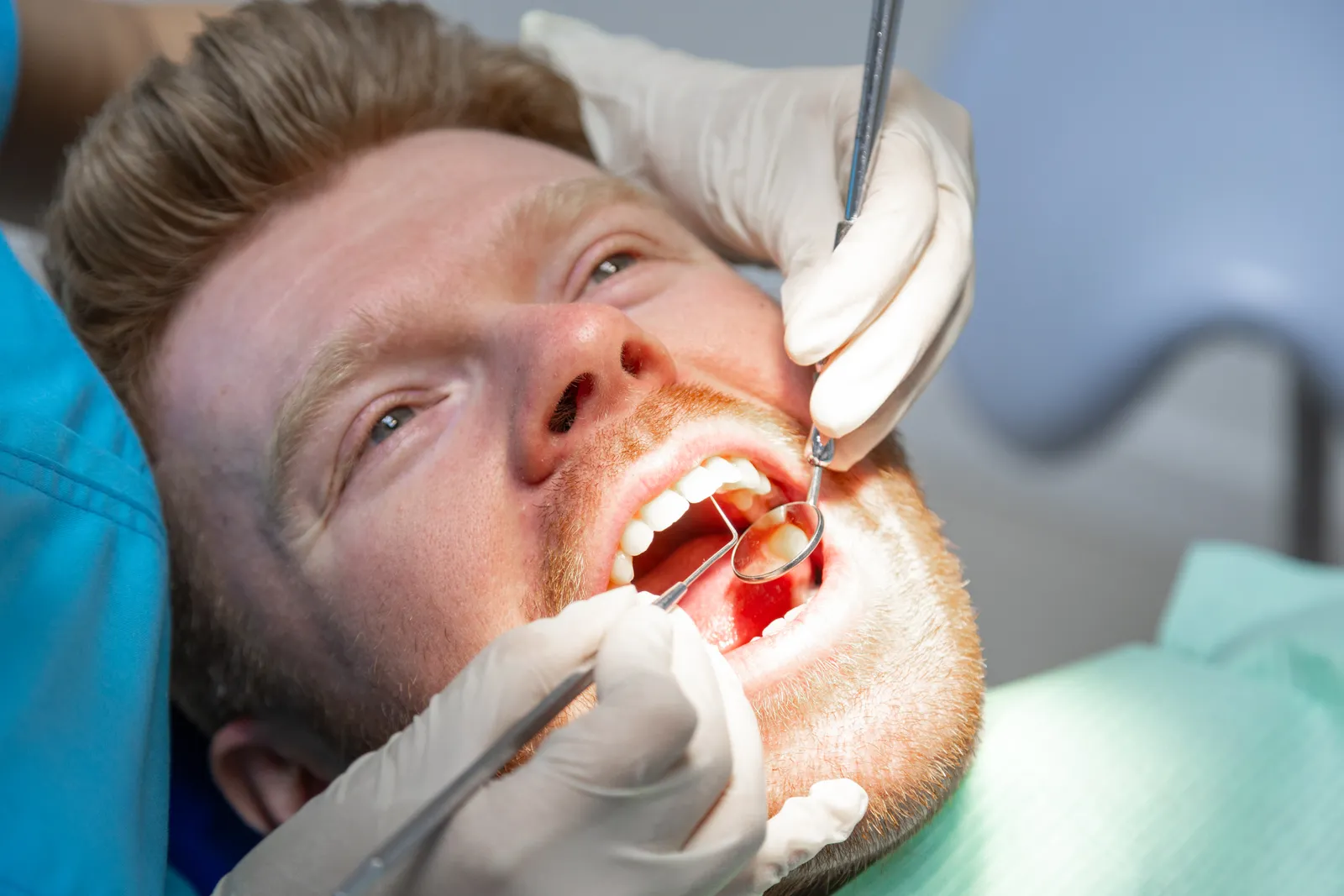
Wisdom teeth, or third molars, are the last set of teeth to emerge, usually between the ages of 17 and 25. While they can be an asset to your mouth when healthy and properly aligned, more often than not, they are misaligned or impacted, leading to discomfort and other dental issues. At Gentle Smiles of Raleigh, we specialize in providing compassionate, expert care for wisdom teeth removal, ensuring a seamless and comfortable process for our patients.
When wisdom teeth fail to emerge properly, they can cause overcrowding, pain, and even infection. The pressure against other teeth can affect your bite and oral health. Our clinic adopts a comprehensive diagnostic approach to determine the best course of action, prioritizing your comfort and long-term health. We use advanced imaging technology and gentle techniques to ensure that wisdom teeth removal is a stress-free experience.
Understanding the anxiety surrounding dental procedures, our team is dedicated to providing a supportive environment where your concerns are addressed with empathy. We believe in detailed pre-operative planning and post-operative care to ensure optimal recovery and minimal discomfort.
Schedule a ConsultationRecognizing the symptoms that indicate the need for wisdom teeth removal is crucial. Here are some signs that you may need to consult a dental professional:
Early assessment by a dental professional can prevent complications and preserve your oral health. If you experience any of these symptoms, consult with our team to explore your options.
Several factors contribute to the necessity of wisdom teeth removal. Understanding these can help in making informed decisions about your oral health.
When wisdom teeth do not have enough room to emerge or develop normally, they can become trapped within the jaw, leading to pain, infections, and other dental issues.
The jaw is often not large enough to accommodate an extra set of molars. This results in crowding, which can misalign other teeth and affect your bite.
Partially erupted wisdom teeth can create pockets where bacteria thrive, leading to gum infections and periodontal disease.
Wisdom teeth can be difficult to clean, increasing the risk of gum disease due to food and bacteria getting trapped between the tooth and gums.
In rare cases, wisdom teeth can contribute to the formation of cysts and tumors, which can damage the jawbone and surrounding tissues.
Even if not impacted, the eruption of wisdom teeth can cause significant discomfort due to pressure on the surrounding teeth and tissues.
Awareness of these causes can empower you to make timely decisions about your dental health, preventing potential complications.
Our comprehensive process ensures that your journey through wisdom teeth removal is smooth and effective, focusing on comfort and care at every step.
We begin with a thorough consultation to assess your oral health, discuss your symptoms, and understand your concerns and expectations.
Using advanced imaging technology, we evaluate the position and condition of your wisdom teeth to customize your treatment plan.
We develop a treatment plan tailored to your specific needs, ensuring you are informed and comfortable with each step of the process.
Our skilled team performs the removal with precision and care, minimizing pain and ensuring a swift recovery.
Post-procedure, we provide continuous support and follow-up to monitor your healing and ensure a complete recovery.
Our step-by-step approach is designed to ensure that you receive the highest quality care at every stage of your treatment.
Removing wisdom teeth can significantly improve your oral health and quality of life. Here are some key benefits:
Alleviate constant or recurring pain caused by impacted or misaligned wisdom teeth, leading to improved comfort and peace of mind.
Prevent infections and periodontal disease, enhancing your overall oral hygiene and health by removing hard-to-reach wisdom teeth.
Correct bite misalignment and relieve pressure on other teeth, contributing to a more effective and balanced bite.
By addressing wisdom teeth issues early, you can prevent more serious complications such as cysts, tumors, and jaw damage.
These benefits underscore the importance of consulting with a dental professional to evaluate your specific situation and plan for optimal oral health.
Structural imbalances caused by wisdom teeth can significantly impact your daily life. The pressure they exert can disrupt the alignment of your teeth, causing discomfort and affecting how you chew or speak. Over time, this can lead to more serious issues such as jaw pain or headaches due to the strain placed on your jaw muscles and joints.
Moreover, wisdom teeth can contribute to overcrowding, making it difficult to maintain oral hygiene. This can result in plaque build-up, leading to cavities and gum disease. In severe cases, it can even alter your facial appearance, affecting your confidence and self-esteem.
Understanding these impacts highlights the necessity of addressing wisdom teeth concerns promptly. Through professional evaluation and targeted treatment, these imbalances can be corrected, significantly enhancing your quality of life.
In addition to professional care, maintaining certain home care habits can support your oral health and recovery process.
Maintaining a routine of brushing twice a day and flossing can help prevent plaque build-up, especially in hard-to-reach areas.
Rinsing with an antibacterial mouthwash can help reduce bacteria and support gum health.
Drinking plenty of water helps wash away food particles and keeps your mouth moist, reducing the risk of bacterial growth.
Tobacco use can impede healing and increase the risk of infection, so it’s best to avoid smoking and other tobacco products.
Consuming a diet rich in nutrients supports your immune system and aids in recovery, contributing to overall oral health.
Routine dental visits help monitor your oral health and catch any issues early, preventing complications.
These habits, while supportive, are not substitutes for professional care. Always seek regular dental advice to maintain optimal oral health.
"Our commitment is to provide each patient with the highest standard of care, ensuring comfort and peace of mind through every step of the wisdom teeth removal process."
Learn more about wisdom teeth removal with our answers to common questions. Feel free to contact us for further information.
BOOK YOUR VISIT
Join the #111 families who trust Gentle Smiles of Raleigh. New patients and emergencies are always welcome.

 (984) 300-1910