

 (984) 300-1910
Most people think of "going to the dentist" as a single, uniform event - but general dentistry actually covers a wide range of services that work together to protect your smile over a lifetime. It is the foundation of everything else we do at Gentle Smiles of Raleigh, from your very first checkup as a child to the fillings, cleanings, and gum care that keep adult teeth strong for decades.
For families in Raleigh, understanding what general dentistry includes helps you make better decisions about your oral health and your budget. It is not just about fixing problems after they show up - it is about catching small issues before they become expensive, painful, or permanent. A cavity caught early might need a simple filling. Left alone for a year or two, it can turn into a root canal or even a lost tooth.
This guide walks through the core components of general dentistry, what happens during a typical visit, and how often you actually need to come in. Whether you are new to our practice or just looking to understand your care better, we want you to feel informed and comfortable every step of the way.
In This Article
What General Dentistry Actually Covers
General dentistry is the broad category of care focused on diagnosing, treating, and preventing problems that affect your teeth, gums, and jaw. At Gentle Smiles of Raleigh, this is where almost every patient relationship begins. It is different from specialized care like orthodontics or oral surgery, though we often coordinate with specialists when a situation calls for it.
Think of general dentistry as your home base for oral health. It includes the routine services you need regularly and the restorative treatments you need occasionally when something goes wrong.
- Preventive exams and cleanings: Regular checkups that remove plaque buildup and catch issues before they cause pain.
- Fillings and restorative work: Treating cavities and repairing teeth damaged by decay or wear.
- Gum disease screening and treatment: Monitoring and addressing inflammation before it progresses to periodontal disease.
- Digital X-rays: Imaging that reveals decay, bone loss, or issues hidden below the gumline.
- Oral cancer screenings: A quick, painless check built into most routine exams.
What Happens During a Routine Checkup
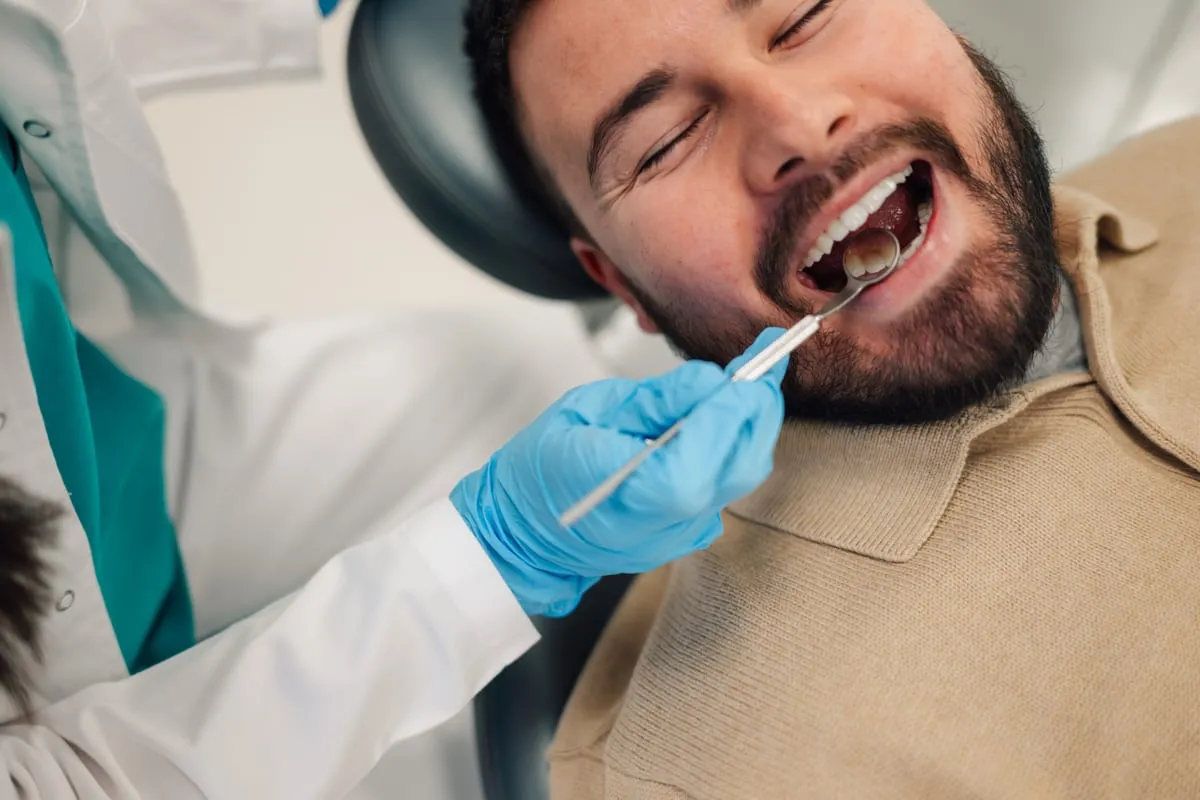
A standard checkup at our Raleigh office typically takes between 45 minutes and an hour and combines two parts: a professional cleaning and a clinical exam. Our hygienist starts by removing plaque and tartar, especially in spots a toothbrush tends to miss, like along the gumline and between back teeth. This step alone reduces your risk of both cavities and gum disease significantly.
After the cleaning, your dentist examines your teeth, gums, tongue, and the soft tissue of your mouth. This is also when X-rays come in, usually taken once a year unless we have a specific reason to look more often. We check for early signs of decay, cracked fillings, bite issues, and bone changes around your teeth.
We finish every visit with a conversation. You will hear exactly what we found, what (if anything) needs attention, and what it will cost before any treatment is scheduled. If you are also interested in refining the appearance of your smile, this is often the moment we discuss options under our cosmetic dentistry services as well.
Cavities, Fillings, and Restorative Basics
Tooth decay remains one of the most common issues we treat, and it rarely announces itself with pain until it has already progressed. Bacteria in plaque produce acid that slowly erodes enamel, creating small holes that widen over time. Once decay reaches the inner layers of a tooth, sensitivity to hot, cold, or sweet foods often becomes the first noticeable symptom.
A filling is the most straightforward way to stop decay from spreading further. We remove the damaged portion of the tooth and replace it with a tooth-colored composite material that bonds directly to the remaining structure, restoring both function and appearance in a single visit.
When decay is caught early, it almost always stays within the scope of general dentistry. When it is left unaddressed, it can require more involved dental treatments like root canals or crowns. This is really the core argument for routine visits: they keep small problems small.
Why Gum Health Deserves More Attention
Gum disease is quieter than tooth decay, and that is exactly what makes it risky. In its early stage, called gingivitis, you might notice slight redness or bleeding when you brush, but little discomfort. Left untreated, it can progress into periodontitis, where the infection begins breaking down the bone and connective tissue that hold your teeth in place.
Research has also connected gum disease to broader health concerns, including cardiovascular issues and complications with diabetes management. This is one reason we measure gum pocket depth at every checkup and track changes over time rather than treating each visit as an isolated snapshot.
Treatment depends on severity. Mild cases often respond well to a more thorough cleaning and better home care habits. More advanced cases may need scaling and root planing, a deeper cleaning performed below the gumline to remove bacteria and allow tissue to reattach to the tooth.
How Often You Really Need to Visit
Twice a year is the standard recommendation for most adults and children, and for good reason. Plaque hardens into tartar within roughly 24 to 72 hours if it is not removed, and tartar cannot be brushed away at home - it requires professional tools. A six-month interval generally keeps buildup from accumulating to the point of causing damage.
That said, the right frequency is not identical for everyone. Patients with a history of gum disease, frequent cavities, dry mouth, or certain medical conditions may benefit from visits every three or four months. We make this recommendation individually based on what we see at your exam, not as a blanket rule.
- Low-risk patients: Generally do well with the standard twice-a-year schedule.
- Higher-risk patients: May need visits every three to four months for closer monitoring.
- Patients with braces or dental work: Often benefit from more frequent cleanings to manage plaque around brackets or restorations.
General Dentistry for Children and Teens
The American Academy of Pediatric Dentistry recommends a child's first dental visit happen by their first birthday, or within six months of their first tooth coming in. Early visits are less about treatment and more about building familiarity with the dental chair and catching developmental issues while there is still time to address them simply.
As children grow, general dentistry for this age group often includes sealants on molars, fluoride treatments, and guidance on habits like thumb-sucking or pacifier use that can affect bite development. We approach every pediatric visit with patience, explaining each step in simple terms so kids leave feeling comfortable rather than anxious about their next appointment.
Key Clinical Takeaways
- General dentistry includes exams, cleanings, fillings, gum care, and preventive screenings as your foundation of oral health.
- Routine checkups catch cavities and gum disease early, when treatment is simpler and less costly.
- Most patients should plan on two visits a year, though some need more frequent monitoring.
- Gum disease often shows no pain in its early stages, making regular screening essential.
- Children benefit from early dental visits to build comfort and catch developmental concerns.
Frequently Asked Questions
Does general dentistry include teeth whitening?
Teeth whitening is usually classified under cosmetic dentistry rather than general dentistry, since it addresses appearance rather than function or health. That said, we often discuss whitening options with patients during their regular checkup if they express interest.
What is the difference between general dentistry and a specialist?
A general dentist handles the broad range of everyday oral care, from cleanings to fillings to gum treatment. Specialists like endodontists, periodontists, or oral surgeons focus on narrower, more complex procedures, and we refer patients to trusted specialists when a case calls for it.
Will my dental insurance cover general dentistry visits?
Most dental insurance plans cover preventive general dentistry services, like cleanings and exams, at little or no cost to you, often twice a year. Coverage for fillings or other restorative work varies by plan, so our team is happy to help verify your benefits before treatment.
Is it normal for my gums to bleed a little when I brush?
Occasional light bleeding can happen with a new flossing routine, but regular bleeding is usually an early sign of gum inflammation and should not be ignored. It is worth mentioning at your next visit so we can evaluate your gum health and adjust your care plan if needed.
Bringing It All Together
General dentistry is not a single service - it is an ongoing relationship built on consistent, preventive care that adapts as your needs change. The patients who tend to need the least invasive treatment over the years are almost always the ones who kept up with regular checkups rather than waiting for a problem to force their hand.
If it has been a while since your last visit, or you are simply looking for a dental home for your family in Raleigh, our team at Gentle Smiles of Raleigh is ready to help you get back on track with a plan that fits your health, your schedule, and your budget.