

 (984) 300-1910
A chipped molar, a cavity that got away from you, or a tooth you lost years ago can quietly change how you eat, speak, and smile without you fully realizing it. Restorative dentistry is the branch of dental care built to reverse that drift, repairing damage and replacing what's missing so your bite works the way it should again.
For patients across Raleigh, restorative treatment is rarely about one procedure. It's a category that covers everything from a simple filling to a full set of implant-supported replacement teeth, and the right path depends on how much of your natural tooth structure remains, your oral health history, and what you want your smile to feel like day to day.
At Gentle Smiles of Raleigh, we see restorative dentistry as a conversation first and a procedure second. This guide walks through the most common treatments, how dentists decide between them, and what you can realistically expect at each stage of care.
In This Article
What Restorative Dentistry Actually Treats
Restorative dentistry refers to any treatment focused on repairing damaged teeth or replacing teeth that are missing entirely. That's a broad umbrella, and it's often confused with cosmetic dentistry because many restorative treatments happen to improve the look of a smile as a side effect. The core goal, though, is function: restoring your ability to chew comfortably, speak clearly, and protect the rest of your mouth from further breakdown.
Damage can come from a number of directions: untreated tooth decay, a cracked tooth from grinding or trauma, an old filling that's failed, or simple wear that's accumulated over decades. Left alone, these problems tend to compound. A small cavity becomes a deep one. A hairline crack becomes a fracture. A single missing tooth leads neighboring teeth to shift out of alignment. Restorative dentistry is how we interrupt that progression before it reaches the point of extraction or more invasive treatment.
If you're weighing restorative work against purely cosmetic options, it helps to read our cosmetic dentistry services page as a comparison point. Many patients end up needing a mix of both, particularly when a tooth is both structurally compromised and visibly worn.
Fillings and Crowns: Repairing a Damaged Tooth
For the majority of patients, restorative treatment starts and ends with a filling. When decay has created a cavity but the surrounding tooth structure is still sound, we remove the decayed portion and rebuild the tooth with a tooth-colored composite resin. These fillings bond directly to your enamel, require minimal removal of healthy tooth, and are typically completed in a single visit.
When damage goes further, usually when a large portion of the tooth has broken away, a root canal has been performed, or an existing filling has failed repeatedly, a dental crown becomes the better solution. A crown covers the entire visible portion of the tooth above the gumline, acting like a protective cap that distributes chewing pressure evenly and prevents the remaining structure from fracturing under normal use.
- Composite fillings: Ideal for small to moderate cavities, matched to your natural tooth shade and placed in one appointment.
- Inlays and onlays: A middle-ground option for teeth with moderate damage that doesn't warrant a full crown but is too large for a standard filling.
- Porcelain crowns: Durable, natural-looking caps used after root canals, large fractures, or repeated filling failures.
With proper care, a well-placed crown can last 10 to 15 years or longer. Catching damage early with routine preventive care visits is often what keeps a simple filling from turning into a crown in the first place.
Replacing a Missing Tooth: Bridges vs. Implants
A missing tooth is never a cosmetic issue alone. Once a tooth is gone, the teeth around it begin to drift toward the gap, your bite shifts to compensate, and the jawbone beneath the empty space gradually loses density from lack of stimulation. Replacing that tooth promptly is one of the most important restorative decisions a patient can make.
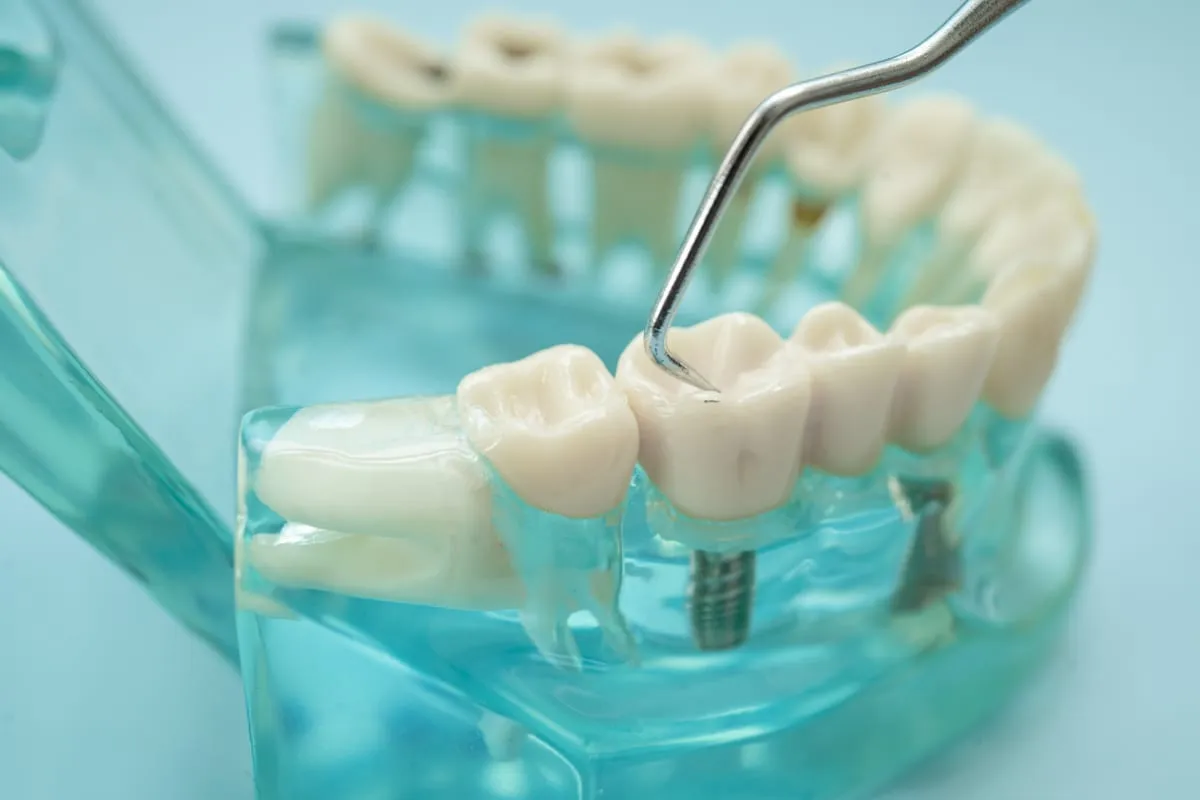
A traditional dental bridge replaces the missing tooth with a prosthetic anchored to the two adjacent teeth, which are reshaped and capped with crowns to support it. Bridges are a well-established, reliable option, particularly when the neighboring teeth already need crowns for other reasons. A dental implant, by contrast, replaces the tooth root itself with a titanium post placed directly into the jawbone, topped with a custom crown. Because an implant doesn't rely on neighboring teeth for support, it helps preserve bone density and tends to feel the most like a natural tooth over the long run.
The right choice depends on your bone health, the condition of nearby teeth, and your timeline. We cover this comparison in much greater depth on our dental implants page, including what the placement process involves and realistic healing timeframes.
When a Tooth Needs Root Canal Therapy
Root canal therapy has a reputation that doesn't match reality. The procedure itself is designed to relieve pain, not cause it, by removing infected or inflamed tissue from inside the tooth. It becomes necessary when decay or a crack reaches the pulp, the soft tissue at the center of the tooth containing nerves and blood vessels, and that tissue becomes infected.
Signs that a tooth may need this treatment include a persistent, throbbing ache; sensitivity to hot or cold that lingers well after the stimulus is removed; swelling or tenderness in the gum near a specific tooth; or a tooth that's darkened compared to those around it. Once the infected tissue is removed and the canal is sealed, the tooth is typically restored with a crown, since a tooth that's had a root canal becomes more brittle over time and needs that added protection.
Saving your natural tooth through a root canal is almost always preferable to extraction and replacement, both for long-term function and cost. We go into more detail on the full process on our root canal therapy page.
Rebuilding a Full Smile with Dentures or Full-Mouth Restoration
For patients who have lost several teeth or all of their teeth in an arch, restorative dentistry scales up considerably. Partial dentures replace a few missing teeth while clasping onto remaining natural teeth for support. Full dentures replace an entire arch and rest on the gums, often with the help of implant anchors for improved stability and chewing force.
Implant-supported dentures have become a popular middle ground, combining the full-arch coverage of traditional dentures with the stability of a small number of strategically placed implants. This approach reduces the slipping and discomfort that can come with removable dentures while still being more accessible than placing an individual implant for every missing tooth.
A full-mouth restoration plan often combines several of the treatments described above: crowns on structurally weak teeth, implants where teeth are missing, and sometimes orthodontic adjustment to correct bite alignment before finalizing the restorative work. These plans are built in stages, with your comfort and budget guiding the pace.
How We Decide Which Treatment Is Right for You
No two restorative cases look exactly alike, which is why we start every treatment plan with a thorough exam and digital X-rays rather than jumping to a default recommendation. We're evaluating how much healthy tooth structure remains, whether the bone supporting your teeth is strong enough for an implant if one is needed, and how your bite comes together when you chew.
Your preferences matter just as much as the clinical picture. Some patients want the fastest possible fix; others are planning years ahead and want the option that lasts longest with the least future maintenance. We walk through the trade-offs in plain language, including realistic costs and timeframes, so you're deciding with full information rather than guessing.
Key Clinical Takeaways
- Fillings and crowns repair damaged tooth structure and prevent small problems from progressing into tooth loss.
- Missing teeth should be replaced promptly with a bridge or implant to prevent shifting and bone loss.
- Root canal therapy saves infected natural teeth and is almost always paired with a protective crown.
- Dentures and implant-supported dentures restore full-arch function when multiple teeth are missing.
- Treatment plans are built around your bone health, remaining tooth structure, and personal priorities.
Frequently Asked Questions
Does restorative dentistry hurt?
Most restorative procedures, including fillings, crowns, and root canals, are performed under local anesthesia and are far more comfortable than patients expect. Any soreness afterward is usually mild and manageable with over-the-counter pain relief for a day or two.
How long do dental crowns typically last?
With good oral hygiene and regular dental visits, porcelain crowns typically last 10 to 15 years, and many last considerably longer. Grinding or clenching can shorten that lifespan, so we often recommend a nightguard for patients who show signs of it.
Is a dental implant better than a bridge?
Implants generally offer better long-term bone preservation and don't require altering adjacent healthy teeth, but bridges can be a faster and more cost-effective solution in the right situation. The better option depends on your bone density, budget, and the condition of the neighboring teeth.
Will my dental insurance cover restorative treatment?
Most dental insurance plans cover a meaningful portion of basic restorative work, like fillings and crowns, though coverage for implants varies widely by plan. Our team verifies your benefits before treatment begins and explains what you can expect to pay out of pocket.
How do I know if I need restorative dentistry?
Common signs include tooth pain or sensitivity, visible cracks or chips, an old filling that feels loose, or gaps from missing teeth. A dental exam with X-rays is the most reliable way to confirm what's happening below the surface and plan the right treatment.
Getting Back to a Comfortable, Confident Bite
Restorative dentistry isn't about chasing perfection; it's about giving you back a mouth that works the way it's supposed to, without pain, without worry, and without the slow decline that comes from ignoring a problem tooth. Whether you need a single filling or a more involved plan to replace several teeth, the earlier you address it, the simpler and more conservative your treatment options usually are.
If you're dealing with tooth pain, a damaged restoration, or a gap you've been putting off addressing, our team at Gentle Smiles of Raleigh is ready to walk through your options and build a plan that fits your life, your schedule, and your smile.